Introduction
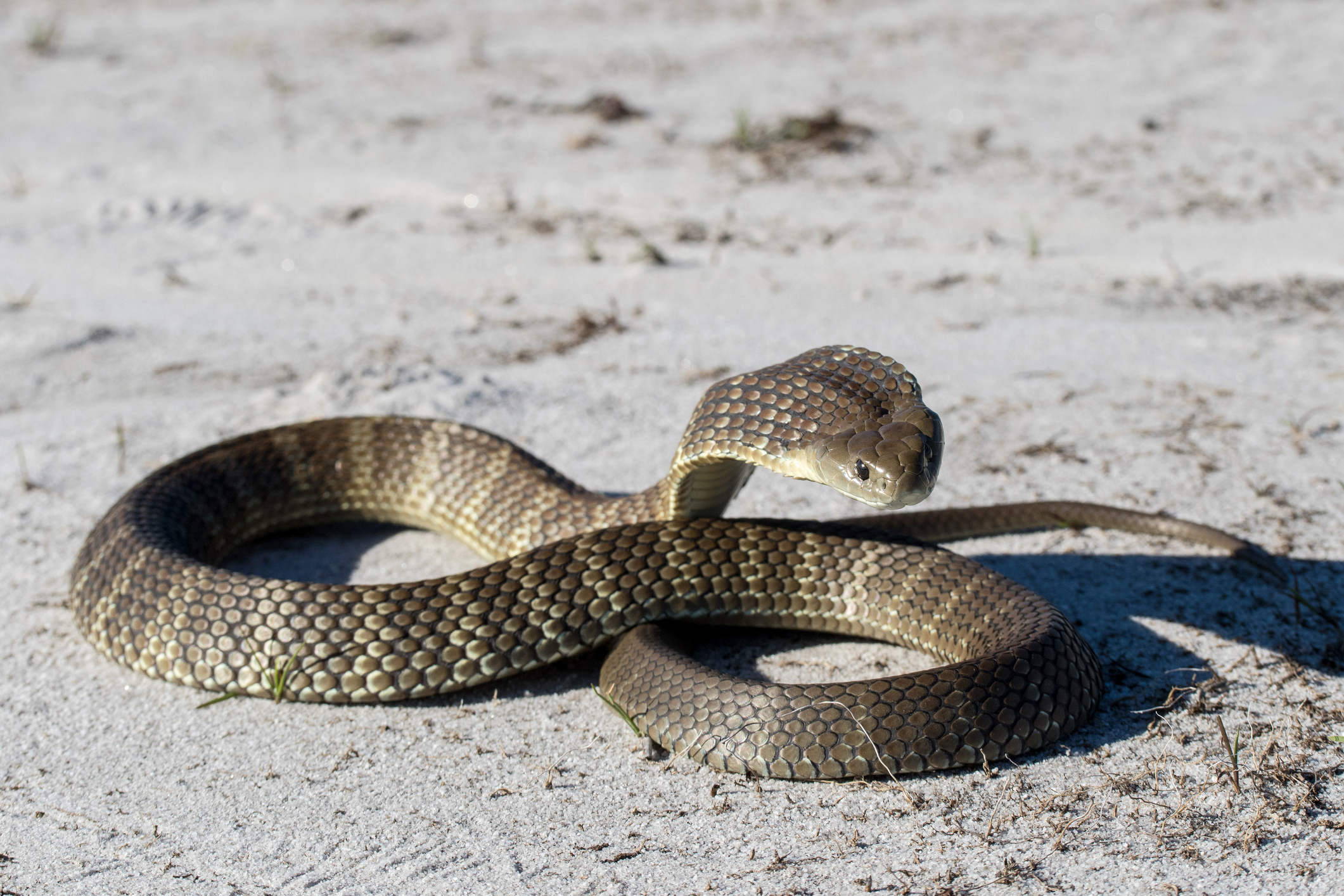
Tiger snakes are among one of the most well-known and feared reptiles in Australia, commonly acknowledged for their striking look and potent venom. This short article aims to explore the complexities of the tiger serpent's environment, distribution, actions, and what one can expect when encountering these fascinating animals. By understanding where to discover them and exactly how to browse prospective dangers, you can value their function in the environment while ensuring your safety.
Tiger Snake Habitat: Where to Discover Them and What to Expect
Tiger serpents are primarily found in southeastern Australia, consisting of Tasmania, where they prosper in a selection of environments. Their flexibility enables them to inhabit varied terrains such as seaside regions, marshes, grasslands, and even urban locations.
Geographical Circulation of Tiger Snakes
The geographical reach of tiger serpents extends across numerous Australian states. They are specifically typical in:
- Tasmania: The Tasmanian tiger snake is just one of one of the most recognized subspecies. Victoria: Discovered near water bodies like rivers and lakes. New South Wales: Preferring bushland locations near water sources. Western Australia: More typically seen around swamps and estuaries.
Understanding the geographical distribution is essential for both preservation efforts and public awareness relating to encounters with these snakes.
Preferred Habitats of Tiger Snakes
Tiger snakes thrive in different habitats. Below are some common environments where they might be found:
Wetlands: They prefer marshy or swampy areas where they can access victim easily. Coastal Regions: Near coastlines or rocky coastlines give plentiful food sources like fish and amphibians. Forested Areas: Dense copse uses sanctuary from killers while supplying hunting grounds.Behavioral Patterns Related to Habitat
Understanding tiger snake behavior within their habitats is important for communication administration:
- Nocturnal Activity: Tiger snakes often tend to be extra active throughout twilight hours (dusk and dawn), making them harder to identify during daytime. Territorial Nature: They exhibit territorial habits; therefore, it's critical to respect their room if encountered.
This understanding can aid minimize undesirable interactions in between humans and tiger snakes.
Are Tiger Snakes Venomous?
Yes, tiger snakes are indeed poisonous. Their poison consists of neurotoxins that can cause paralysis and even death if untreated.

What Makes Their Venom Dangerous?
The potency of a tiger snake's venom varies relying on a number of variables:
- Geographic location Individual health Quantity injected throughout a bite
Symptoms of a Tiger Serpent Bite
Recognizing symptoms early is critical:
- Pain at the bite site Swelling Difficulty breathing
Immediate clinical attention is essential if bitten.
First Help for Snake Bites
Knowing emergency treatment Discover more here procedures can be lifesaving in case of a serpent bite.
First Help Tips for Snake Bites
Stay calm; maintain the damaged location still. Call emergency solutions immediately. Apply a stress plaster above the bite site. Keep the individual resting until aid arrives.Following these steps can considerably boost outcomes complying with a snake encounter.
Australian snake distributionWhere Else Can You Experience Tiger Snakes?
While they're commonly located in their all-natural habitats, urbanization has caused enhanced encounters with humans.
Urban Encounters
Tiger snakes may venture into yards or parks searching for food or water sources.
Precautions When Treking or Exploring
When discovering locations understood for tiger serpent habitats:
- Wear thick boots Stay on paths Be vigilant
Taking these safety measures will assist lessen dangers while you appreciate nature.
Baby Tiger Snakes: A Distinct Point Of View on Growth
Just like grownups, baby tiger snakes are birthed poisonous however smaller sized in dimension.
Characteristics of Infant Tiger Snakes
- Size: Typically around 20-- 30 centimeters when born. Appearance: Sporting activity similar coloration as adults but may have lighter bands initially.
Understanding their growth helps in valuing their eco-friendly role from early stage onward.
FAQs about Tiger Snakes
1. Are all tiger snakes venomous?
Yes, all types of tiger snakes possess venom capable of causing significant harm.
2. Exactly how can I recognize a tiger snake?
Look for distinct banding patterns ranging from yellowish-brown to blackish shades along their bodies; adults normally expand between 1-- 2 meters long.
3. What ought to I do if attacked by a tiger snake?
Seek prompt medical interest; apply emergency treatment measures as discussed earlier while keeping calm.
4. Do infant tiger snakes pose any danger?
Absolutely! In spite of their small size, infant australian rough scaled snake tiger snakes are still venomous and can provide attacks that need major medical attention.
5. Exist any type of certain habitats I should avoid?
Avoid going through thick underbrush or near stagnant water where conditions prefer snake presence throughout warmer months.
6. Exactly how do preservation initiatives impact tiger snake populations?
Conservation campaigns concentrate on habitat preservation which straight affects population stability by making sure sufficient food resources and safe breeding locations.
Conclusion
In summary, comprehending "Tiger Snake Habitat: Where to Find Them and What to Expect" not just enhances our understanding regarding these amazing reptiles yet additionally boosts our capability to exist side-by-side securely with them in shared atmospheres. From acknowledging their favored environments to understanding how to react efficiently if bitten, detailed understanding equips us all-- whether we're wildlife enthusiasts or informal walkers-- to appreciate this remarkable aspect of Australia's all-natural heritage while prioritizing our safety.

This short article works as a considerable guide on whatever related to tiger serpent environments! Whether you're an avid explorer or somebody looking simply for details regarding these creatures, understanding exactly how they engage within their environments-- and just how we suit that photo-- is crucial!