Introduction: Recognizing the Relevance of Mouth-to-mouth Resuscitation Training
When it concerns emergencies, every 2nd matters. Cardiopulmonary resuscitation (MOUTH-TO-MOUTH RESUSCITATION) is an essential skill that can suggest the difference between life and death. As you get ready for your upcoming CPR training sessions, comprehending what to anticipate and just how to approach this necessary ability is essential. Whether you're intending to come to be licensed in a Child Treatment First Aid Course or an adult-oriented CPR Course, the expertise you gain will certainly equip you to act efficiently in real-life situations.
In this post, we will check out detailed techniques on how to plan for your upcoming CPR training sessions. We'll cover every little thing from choosing the best program, what materials to evaluate, practical tips for effective knowing, and much more. Let's dive in!
How to Prepare for Your Future CPR Training Sessions
Preparing for your CPR training session involves not only mental preparedness however likewise logistical considerations. Below are some vital steps:
1. Pick the Right Course
Before anything else, selecting the ideal training course tailored to your requirements is extremely important. Are you looking for a Child Care First Aid Course? Or possibly a more basic CPR Course? Consider alternatives like the hltaid012 Child Care Emergency treatment Course Near Me, which concentrates particularly on first aid for children.
- Research Options: Utilize on the internet resources or regional health organizations. Check Certifications: Ensure the teachers are licensed professionals.
2. Understand Training Course Prerequisites
Most programs have prerequisites that might need prior knowledge or accreditations. As an example:
- Some programs might require conclusion of an earlier training course like the hltaid009 mouth-to-mouth resuscitation Course Verify if there's any type of age limit or details conditions required prior to enrolling.
3. Gather Necessary Materials
Each program usually gives products like guidebooks or on-line resources. Nonetheless, having additional materials can be beneficial.
- Look for publications on first aid and mouth-to-mouth resuscitation techniques. Consider enjoying educational video clips available on systems like YouTube.
4. Acquaint Yourself with CPR Techniques
Before attending your training session, acquaint on your own with standard mouth-to-mouth resuscitation strategies through numerous sources:
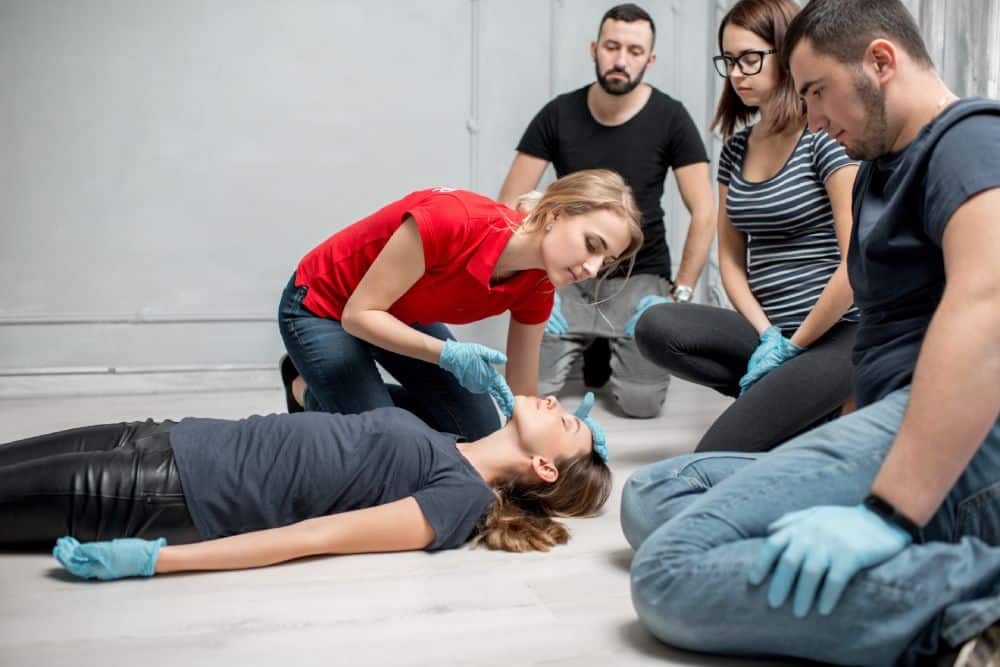
- Online tutorials Apps dedicated to first aid and CPR Practice making use of a mannequin if possible
This pre-course exposure will certainly give you a running start when hands-on training begins.
5. Exercise Mindfulness & Focus
Entering your training with a focused and calm frame of mind can significantly boost your learning experience:
- Consider mindfulness strategies such as reflection or deep breathing exercises. Avoid disturbances; locate a peaceful area where you can concentrate on assessing material.
The Structure of Normal CPR Training Sessions
Understanding what a common session resembles can assist debunk any type of apprehensions you may have.
1. Intro and Overview
Most sessions start with an intro that covers:
- The relevance of CPR Statistics connected to heart health Overview of what will be covered during the session
2. Hands-On Abilities Practice
Hands-on technique is often one of the most valuable facets of any CPR training program:
Basic Life Support (BLS) skills Choking relief techniques Using an Automated External Defibrillator (AED)These abilities will be practiced with mannequins and other simulation tools.
3. Scenarios and Function Playing
Role-playing different emergency situation circumstances aids individuals apply their skills in reasonable situations:
- Participants may replicate a situation where a person falls down suddenly. Instructors overview participants via each step of responding appropriately.
What You Required to Bring to Your Training Session
To guarantee you're fully prepared, take into consideration bringing along several things:
1. Personal Identification and Qualification Cards
Some programs might require proof of identity or previous certifications.
2. Notebooks and Writing Tools
Taking notes during talks can improve retention:
- Bring pens, pencils, and highlighters.
3. Water Bottle & Snacks
Staying moistened maintains your focus sharp throughout lengthy sessions.
Tips for Optimizing Your Understanding Experience Throughout Training
So you've enrolled in your training course-- now what? Here are techniques to make one of the most out of your time:
1. Engage Actively in Course Discussions
Don't shy away from asking inquiries or looking for clarification when required! Engaging actively signals teachers that you're bought learning.
2. Connect With Fellow Participants
Building links with others taking the exact same training course provides possibilities for group research study later on.
Post-Course Steps: What Comes Next?
After finishing your course, there are essential follow-up actions:
1. Review Your Skills Regularly
Practicing frequently makes sure that skills remain fresh in your mind:
- Schedule monthly practice sessions with buddies or household members.
2. Keep Certifications Up-to-Date
Most certifications require revival every 2 years; do not let yours lapse!
FAQs concerning Getting ready for Your Approaching CPR Training Sessions
1. What ought to I use to my CPR training session?
Wear comfortable clothing that enables movement since you'll be exercising physical skills.
2. Can I take a Child Care First Aid Course online?
Yes! Numerous companies provide online variations of the Childcare First Aid courses; simply guarantee they're accredited.
3. For how long does a common CPR course last?
Courses vary yet generally range from 4 to 8 hours relying on whether they include added topics like emergency treatment training.

4. Will certainly I get accreditation after finishing my training?
Most accredited programs supply certificates upon effective completion; consult CPR courses with certifications your teacher beforehand!
5. Is it needed to have previous clinical knowledge prior to taking a CPR course?
No previous medical knowledge is called for; these courses are created for beginners as well as those looking to freshen their skills.
6. Exist any age constraints for taking these courses?
While numerous courses permit individuals as first aid courses for beginners young as 12 years old, constantly examine details requirements based on location or organization guidelines.
Conclusion: Welcoming Readiness With Education
As we conclude our exploration into preparing for upcoming CPR training sessions, it's clear that preparation plays an important duty in understanding life-saving abilities successfully! From carefully selecting relevant training courses-- like the hltaid012 Child Care Emergency treatment Courses Near Me-- to proactively involving throughout course conversations-- every effort adds toward becoming skilled at supplying treatment when it matters most! Furnish on your own today because being ready could conserve a person's life tomorrow!
